Macro-based · every plan gluten-free and dairy-free
Nutrition Coaching in Fort Collins
Hair is the first thing the body stops paying for.
When the body is short of something, hair production is not a priority — it is the first expense cut, and a nutrient deficiency is one of the most reversible contributors to hair loss. Nutrition coaching addresses the internal conditions hair growth depends on, with a NASM Certified Nutrition Coach who is also the person reading your scalp.
Book a scalp evaluation Call (970) 698-6800
In person in Fort Collins, or by video anywhere
Why this sits inside a hair-loss practice
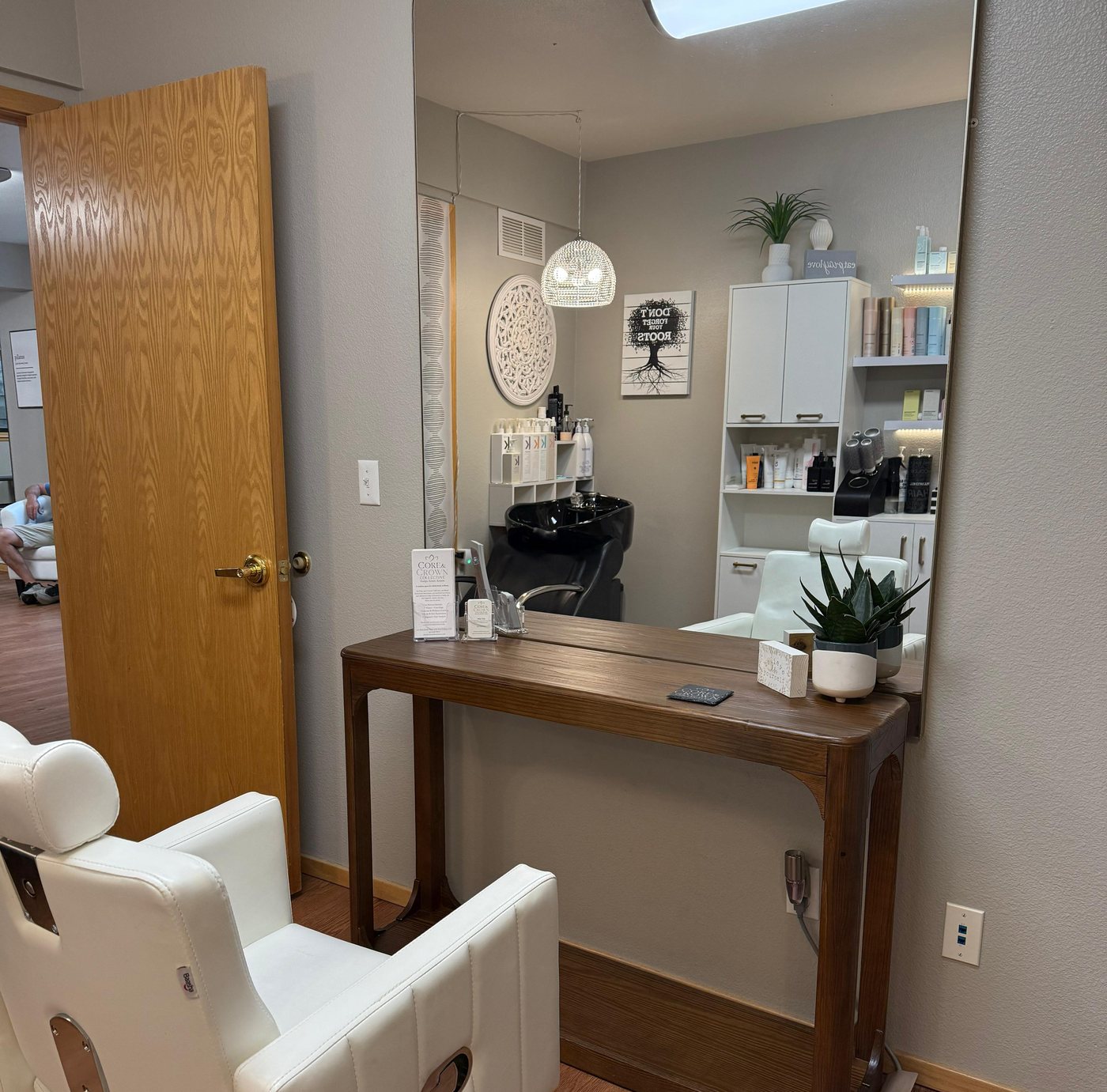
Most people are sent to one person for the scalp and a different person for everything else, and the two never speak. Here it is the same person, working from the same findings.
How the coaching works
It is not about restriction. It is about restoration — personalized, macro-based frameworks that adapt to your physiology, your goals and the way you actually live.
A full intake
Current nutrition, digestion, energy, stress, sleep, training and symptoms — read alongside whatever the scalp evaluation found, rather than in a separate conversation.
A macro-based plan
Built to your physiology rather than to a template. Every plan is gluten-free and dairy-free and designed to lower systemic inflammation without cutting nourishment.
Follow-up and adjustment
Education, accountability and regular check-ins, with the plan adjusted as things change rather than handed over once and left to go stale.
Real food. Real balance. Real you.
Amy’s own line, and the honest summary of the work: beyond overwhelm and into clarity, with nutrition that works for your body rather than against it.
Where the work focuses
Who books this
Plenty of people come here for the nutrition work and nothing else. It stands on its own, and you do not need a hair concern to book it.
What it is not
It is not a diet, it is not a supplement sale, and it is not a substitute for medical care. Nutrition coaching is education and planning. Where bloodwork or a diagnosis is needed, that is a doctor’s job, and you will be told so.
Anchored to the scalp findings
The plan follows what the evaluation measured, so there is something to check it against at the next review rather than a general sense of whether it helped.
The nutrients hair actually depends on
Hair is protein, grown by one of the most metabolically demanding structures in the body. When intake or absorption falls short, the follicle is early in the queue to lose out.
Deficiency is common in women who are shedding. That it is the cause is a separate question, and an unsettled one.
In a review of 973 people with telogen effluvium, ferritin was low in 44%. A meta-analysis of 10,029 women found ferritin measurably lower in women with non-scarring hair loss. But the same 973-patient review found no significant relationship between ferritin, B12, folate or zinc and the actual measured hair ratios, and a separate study found no association between ferritin above 10 µg/L and hair loss activity at all.
So the honest position is the one taken here: ask for the test, do not self-prescribe the supplement. Iron overload is a real harm, and a number that is common in a group is not a cause in a person.
Arslan H, Gündüz Ö. Dermatol Pract Concept 2023;13(3):e2023202 · Treister-Goltzman Y, Yarza S, Peleg R. Skin Appendage Disord 2022;8(2):83–92 · Bregy A, Trüeb RM. Dermatology 2008;217(1):1–6.Thyroid is worth the same care. Across 1,411 people with non-scarring hair loss, 8.5% had an abnormal thyroid reading, with no significant difference between hair-loss types — which is why the authors recommend testing the people whose history or symptoms point that way rather than testing everyone by reflex.
Alomary SA, Baker NJ, Schell N, et al. An analysis of thyrotropin levels in patients with nonscarring alopecia. J Clin Aesthet Dermatol 2026;19(4):35–37. Single-centre retrospective study.- Protein and amino acidsHair is keratin. Chronic under-eating of protein shows up in the hair before almost anywhere else.
- Iron and ferritinThe most commonly found low result in women who are shedding, and one that routine bloodwork can miss when only hemoglobin is checked.
- Zinc, B12 and vitamin DEach has a role in the growth cycle, and each is worth knowing your own number for — though the evidence that correcting them changes shedding is thinner than it is for iron.
- Absorption, not just intakeGut health decides how much of what you eat actually reaches the follicle. Eating well and absorbing poorly look identical on a plate.
- Blood sugar and inflammationBoth influence the hormonal and inflammatory environment the follicle grows in.
- Stress, sleep and recoveryCortisol load and poor recovery change what the body prioritizes. Hair is near the bottom of that list.
Nutrition coaching here is not a supplement sale. Where a deficiency is suspected, the honest next step is bloodwork through your doctor — and hair loss driven by a nutrient gap is among the most reversible kinds there are.
Start where the evidence is
If hair is what brought you here, book the evaluation first and the two run together. If it is not, call and ask for a nutrition consultation — that is a booking of its own.